

Project Participants

Project Story
-
Children living with Type 1 Diabetes face more than just medical challenges. Between the ages of 6 and 17, they are learning how to take increasing responsibility for their health while also navigating school, friendships, and emotional development.
In many cases, support focuses mainly on insulin and medical treatment, leaving children without enough guidance on the emotional, behavioral, and social aspects of living with a lifelong condition. Without these tools, children may struggle with confidence, stigma, and the daily stress of managing their diabetes.
Social stigma often leads to isolation, and families may feel anxious about disclosing the condition.
Health outcomes show that 94% of children have experienced hypoglycemia episodes.
-
Sugar of Life is a comprehensive program designed to help children better understand and manage their condition while building confidence and resilience.
The program combines in-person support and digital tools to address both the medical and emotional sides of diabetes. In-person sessions include activities such as Cognitive Behavioral Therapy (CBT), art and drama therapy, storytelling, and peer support circles, helping children express their experiences, build coping skills, and connect with others facing similar challenges.
Alongside these sessions, the program introduces an interactive digital platform that supports daily diabetes management. The platform allows children to track blood glucose levels, insulin use, meals, physical activity, and other health behaviors. A behavior-based predictive system analyzes patterns and provides early alerts when blood glucose fluctuations may occur, along with science-based guidance to help children respond safely.
Additional features include nutritional and activity tracking tools, visual meal recognition to estimate calories, and a Virtual Club where children can participate in health challenges, share experiences, and build supportive friendships online.
Sugar of Life is the first program in Palestine to combine psychological support, health education, practical diabetes management, and social empowerment for children with T1D.
-
Living with Type 1 Diabetes requires constant decisions and lifelong discipline. When children receive the right support early on, they are far more likely to develop the skills and confidence needed to manage their condition successfully.
Sugar of Life moves beyond traditional treatment models by combining psychological care, education, peer connection, and technology. This integrated approach helps children strengthen their emotional well-being, improve diabetes self-management, and feel less alone in their journey.

Project Updates
March 29th Update
Team successfully initiated the first implementation phase of the Sugar of Life program by conducting Day 1 activities with children living with diabetes. This phase focused on building a strong foundation through emotional engagement, initial assessment, and introducing practical self-management skills.
We designed and delivered a structured session consisting of three integrated components:
1. Introduction and Ice-Breaking Activity
The day began with an interactive, art-based activity aimed at creating a safe and welcoming environment. Children selected colors, wrote their names, and participated in a collaborative drawing exercise where they exchanged papers and added personal and creative elements about each other.
This activity played a critical role in:
* Reducing anxiety and social barriers
* Encouraging self-expression in an indirect and comfortable way
* Helping facilitators observe children’s emotional states, including their fears and wishes related to diabetes
It also fostered early peer connection and trust within the group.
2. Dialogue Session and Initial Assessment
Following the ice-breaking activity, we conducted an open dialogue session to better understand the children’s experiences, thoughts, and emotional relationship with their condition.
During this session, we:
* Encouraged children to openly share their feelings and daily challenges
* Established group rules collaboratively to promote a sense of ownership and belonging
* Recorded each child’s HbA1c level as a baseline indicator for long-term diabetes management
* Identified key knowledge gaps, concerns, and interests to guide the design of future sessions
This stage functioned as a comprehensive assessment, combining both medical and psychological insights, ensuring that upcoming activities will be tailored to the actual needs of participants.
3. Physical Activity and Practical Learning
To conclude the day, children participated in a group physical game, which helped release stress, increase engagement, and reinforce social bonding in a fun and energetic way.
Afterward, a regular meal was provided to challenge the misconception that children with diabetes must follow restrictive or “special” diets. During this session, children were guided through:
* Carbohydrate counting
* Estimating insulin doses based on meals
This hands-on approach connected theoretical knowledge to real-life application, empowering children to feel more confident and independent in managing their condition.
April 1st Update
The team successfully continued implementing the "Sugar of Life" program by carrying out the activities of the second day, which served as an introductory day for a new age group of children (9–12 years old) living with diabetes. This day focused on enhancing interaction, encouraging expression, and understanding the psychological and cognitive needs of the children.
Activity 1: Breaking Barriers and Getting to Know Each Other*
The day began with an introductory activity using a ball and music, aimed at breaking social barriers among the children and helping them get to know one another in a fun and interactive way. This activity helped the children feel safe, engage with the group, and create an atmosphere of trust and early communication among participants.
Activity 2: Open Dialogue and Sharing Experiences*
A discussion session was held to explore the children’s psychological and cognitive needs, encouraging them to express their fears and questions about diabetes and their daily experiences at school and home. The session helped in understanding each child’s level of knowledge and psychological state, and siblings were also given the opportunity to participate, enhancing family communication and better understanding of the challenges. This formed the foundation for designing upcoming sessions according to the children’s needs.
Community Participation and Ripple Effect:
When we shared the project and the sessions we were conducting, members of the community came forward wanting to contribute. One clear contribution was financial support for children’s transportation (30 children × 200 ILS = 6,000 ILS). This initial participation set the stage for a strong ripple effect, raising awareness about diabetes care and encouraging further community involvement, extending the impact.
April 2nd Update
Our team has successfully continued the implementation of the "Sugar of Life" program by conducting Day 4 activities on April 4, 2026, which marked the second session for the older age group (12–15 years). This session focused on emotional awareness and helping children understand, express, and manage their feelings in a safe and supportive environment.
We designed and delivered a structured session consisting of the following components:
1. Energizing and Leadership Activity
The session began with an interactive game led by one of the children, aimed at encouraging leadership, responsibility, and active participation. This helped create a dynamic and engaging atmosphere while empowering children to take initiative.
2. Understanding Emotions (Emotions Circle)
Children were introduced to the concept of the “Emotions Circle” to help them understand where emotions come from and how to recognize and process them. This activity supported emotional awareness and helped children link feelings to real-life situations.
3. Feelings Box (Emotional Expression)
A “Feelings Box” activity was conducted where children shared emotions they had experienced. This encouraged open expression and helped them reflect on past situations, promoting emotional communication and self-awareness.
4. Emotion Pharmacy (Coping Tools Space)
Children then created their own “Emotion Pharmacy,” a safe space where they stored psychological coping techniques they learned during the session. This space was designed to serve as a personal reference they can return to whenever they need emotional support or stress management tools.
5. Website Introduction and Practical Application
The session concluded with introducing the program’s website to the children, where they learned how to log their insulin doses and blood sugar levels. They also practiced using the platform by applying it to their daily meal, calculating insulin doses in a real-life scenario to strengthen their practical understanding.
April 4th Update
Our team has successfully continued the implementation of the "Sugar of Life" program by conducting Day 3 activities on April 2, 2026, marking the first session for a new age group of children (2–6 years old) accompanied by their mothers. This phase focused primarily on engaging mothers as key caregivers and understanding their needs in managing their children’s condition.
We designed and delivered a structured session consisting of the following components:
1. Introduction to the Initiative
The session began with a clear introduction to the "Sugar of Life" program, its goals, and how it supports children living with diabetes. Special focus was placed on the role of mothers, highlighting their importance as primary caregivers and active partners in the program.
2. Building Trust and Communication with Mothers
The session created a supportive space for mothers to share their experiences, concerns, and daily challenges. This helped build trust and encouraged open communication, allowing mothers to feel heard and supported.
3. Needs Assessment (Mothers’ Perspective)
A key part of the session focused on assessing mothers’ needs, including:
Their level of knowledge about diabetes management
Daily challenges in caring for their children
Psychological and emotional pressures they experience
The type of support and information they need moving forward
This stage provided essential insights that will guide the design of future sessions, ensuring they directly address mothers’ needs and strengthen their ability to support their children effectively.
4. Website Introduction and Practical Training
At the end of the session, mothers were introduced to the project’s website and trained on how to use it to calculate insulin doses and track their children’s blood sugar levels. This practical component enhanced their ability to manage daily care with greater accuracy and confidence.
April 5th Update
Our team has successfully continued the implementation of the "Sugar of Life" program by conducting Day 5 activities 5-4-2026 , which marked the second session for the 9–12 years age group. The session began with an energizing activity led by one of the children to encourage participation, engagement, and leadership within the group.
Based on the needs assessment from the initial introductory session, a clear gap was identified in the children’s understanding of diabetes and how to manage it, as well as a general lack of accurate information about the disease. Accordingly, this session was designed as an educational workshop focused on strengthening their foundational knowledge.
The session was delivered by a nurse who has been living with diabetes since childhood. She used a child-friendly and experience-based approach, allowing the children to relate to her personal journey and better understand the condition from a lived perspective. This approach made the information more accessible, relatable, and impactful for the participants.
Following the educational part, an open Q&A session was held, where children were encouraged to ask questions and clarify their doubts about the disease and its daily management.
To conclude the session, one of the children who is not living with diabetes participated as a personal initiative, distributing small gifts to the children, which created a positive and supportive atmosphere and strengthened peer connection within the group.
April 9th Update
Our team has successfully continued the implementation of the "Sugar of Life" program by conducting Day 6 activities on April 9, 2026, marking the second session for the 2–8 years age group accompanied by their mothers. The session focused on early childhood engagement and providing both educational and psychological support for mothers and children.
The day began with a joint interactive play session for children and mothers to create a safe and engaging environment. This was followed by a play-based educational activity introducing the concept of diabetes in a simple and child-friendly way using visual and interactive tools.
Afterwards, the group was divided into two parallel sessions. Children participated in expressive drawing activities guided by a psychologist to better understand their emotions, while mothers attended a guided session that combined education and practical advice on how to support their children without linking the disease to their identity or causing psychological harm.
The session also included a supportive discussion space where mothers shared their experiences and received emotional support and guidance, emphasizing strength, acceptance, and positive parenting throughout their journey.
April 24th Update
Since our last submission, our team has continued to expand the program by engaging new community contributors and introducing innovative approaches to support children with diabetes.
We hosted a guest art expression trainer who had previously visited our sessions and was inspired by the initiative. Her work typically focuses on school students, and this was her first time engaging with children living with diabetes, which reflects our ability to attract and involve the wider community in supporting this group.
During her participation over two sessions, she introduced new methods of emotional expression and psychological support. Children were guided to create artworks that reflect their personal struggles and experiences with diabetes through a step-by-step process. This activity revealed important emotional challenges that were not previously identified, as children explained the meaning behind their drawings.
In addition, a second activity was conducted for younger children, where they decorated masks to express their personalities and how they see themselves. This creative approach provided deeper insights into their self-perception and emotional state.
These activities enriched our program by adding new tools for emotional support and helped us better understand the children’s needs.
April 24th Update
During the final week of the "Sugar of Life" program, we focused on reinforcing sustainability, emotional closure, and long-term impact. The week was intentionally designed to be calm and supportive, allowing space for reflection, emotional expression, and deeper observation of the children’s and mothers’ needs.
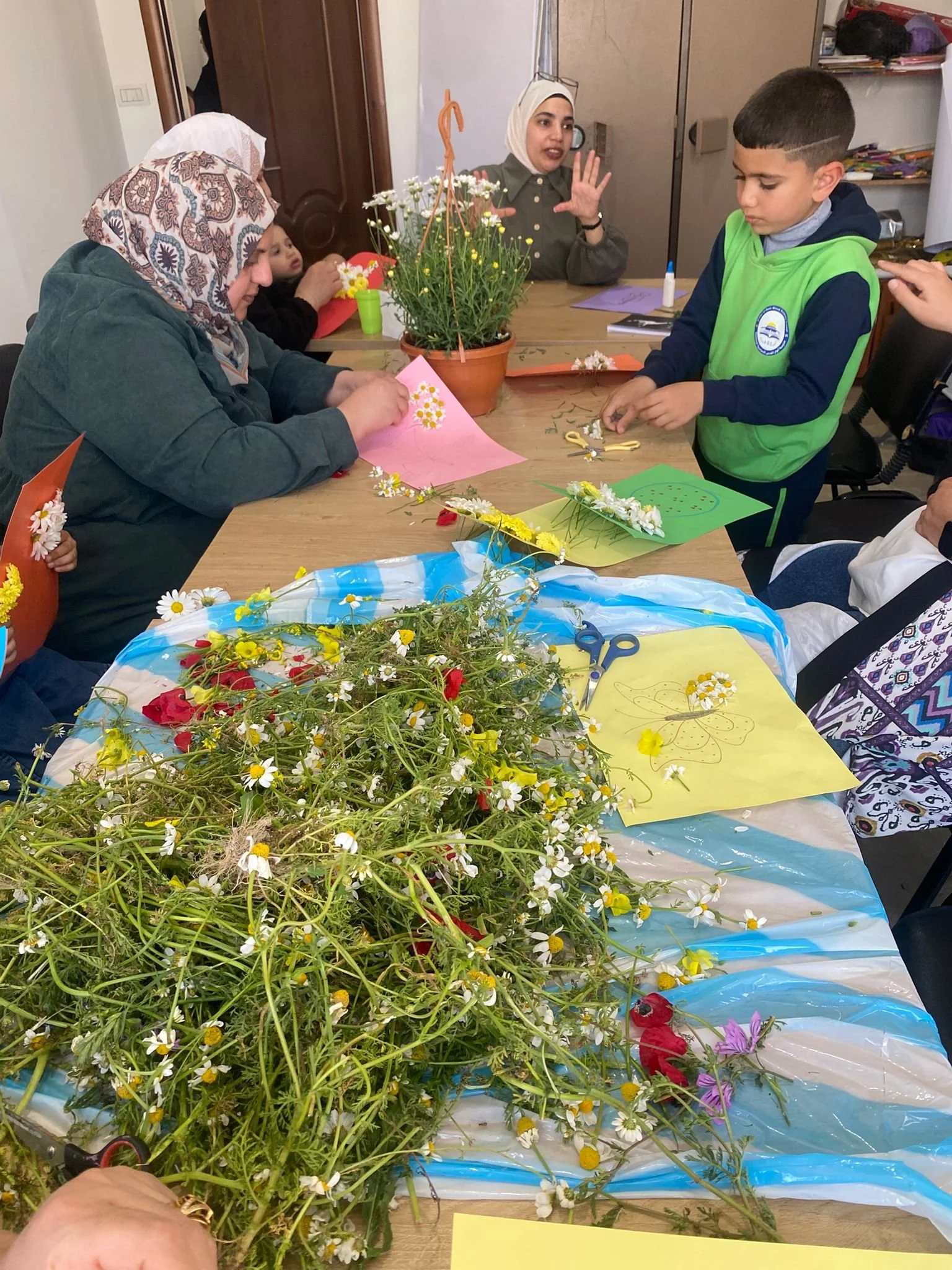
For mothers and children, the day included simple, expressive activities such as a flower-based activity and light movement exercises. The sessions were designed as open, safe spaces where participants could engage, talk, and express themselves freely while interacting with the activities. This setting allowed the team to closely observe and identify cases that required special attention. Several cases were identified and referred to our partner, the Family and Child Guidance Center, for specialized psychological support.
In parallel, during the children’s sessions, deeper emotional challenges were revealed, including serious cases related to self-harm thoughts, family-related difficulties, and emotional distress. Identifying these cases is considered a critical success of the program, as some of these issues were previously unnoticed even by families. Immediate action was taken, and these cases were urgently referred to our partner center to ensure proper care and support.
In addition, we dedicated this week to reinforcing the use of the program’s website. All educational materials, techniques, and tools learned throughout the program were uploaded and explained to the participants. We actively collected feedback from children and mothers regarding improvements and features they would like to see, ensuring that the platform remains a long-term companion in their daily diabetes management.
Participants were also informed that a follow-up meeting will take place after 3 months to assess their progress, particularly in improving their HbA1c levels (a key indicator that reflects the average blood sugar levels over the past 2–3 months). This follow-up aims to evaluate real-life impact, celebrate improvements, and support continued progress.
A major milestone of this week was the official launch of the “Children with Diabetes Club.” This club includes a selected group of children who participated in the sessions and are now empowered to take on a leadership role in supporting newly diagnosed children or those facing challenges. The club was successfully connected with local community organizations, including Juthoor Foundation and Al-Sadeel Foundation, both of which expressed readiness to support the club by providing essential tools, devices, and resources as donations to ensure its sustainability and growth.
On the mothers’ side, a strong need for continued support was clearly identified. In response, Al-Sadeel Foundation committed to sustaining this impact by organizing weekly support meetings for mothers. These sessions will provide a safe space to share updates, challenges, and experiences, while continuing to offer guidance and support—recognizing that empowering mothers directly shapes the child’s well-being and future.
April 24th Update
Since our last submission, our team has worked on producing interviews that highlight different perspectives within the initiative. One of the key interviews was conducted with a nurse and care provider who is also living with diabetes.
During the interview, she shared her personal journey with the condition and explained how her lived experience allows her to better understand and connect with the children on both emotional and practical levels. She also spoke about the nature of the activities she delivers within the program, emphasizing how her approach combines medical knowledge with empathy and real-life experience.
This interview added depth to our project by showcasing the importance of relatable role models and strengthening the connection between children and care providers.
April 24th Update
Bashaer, our dedicated psychological specialist, plays a key role in supporting the children within the program. She works closely with them through emotional regulation exercises, helping them learn how to understand and manage their feelings, which directly impacts blood sugar fluctuations in children living with diabetes.
Beyond her professional expertise, Bashaer also brings a deeply personal perspective, as she has been living with diabetes since childhood. This lived experience allows her to connect with the children on a more personal level, making her guidance more relatable, empathetic, and impactful. Her presence strengthens the emotional and psychological support system within the program, bridging both professional knowledge and real-life experience.
April 25th Update
The Sugar of Life initiative has significantly evolved into a more comprehensive and sustainable support system for children with Type 1 Diabetes.
A major milestone was the development and launch of the Sugar of Life digital platform, designed to extend and reinforce the impact of the initiative in children’s daily lives.
The platform transforms the experience into a continuous journey, where children remain connected to support, guidance, and motivation in an engaging and accessible way.
Everything children learn in the sessions is reflected and reinforced through the platform, transforming knowledge into daily practice. This ensures that the impact is not limited to a specific time or place, but becomes a long-term, accessible support system that children can benefit from anytime, anywhere.
This platform was designed to solve key real-life challenges faced by children with Type 1 Diabetes and their families. Previously, daily management relied on manual writing, memory, and fragmented tracking of blood sugar, insulin doses, meals, and symptoms, which often made it difficult to notice patterns or predict risks early. Care decisions were reactive rather than preventive, and important warning signs could be missed.
The digital platform addresses these challenges by making monitoring simple, structured, and visual, allowing children and parents to easily log and understand their daily health data in one place instead of scattered records. What was previously difficult to organize on paper is now centralized and easy to interpret through clear charts and summaries.
The Patient Tracker simplifies daily management by turning routine health data into organized visual patterns, helping families understand changes over time rather than isolated readings.
The Behavior-based AI Predictor adds a preventive layer by analyzing trends in activity, nutrition, and glucose levels to identify early risk signals. This helps detect potential dangerous highs or lows before they occur, enabling timely intervention instead of late response.
The Information Corner solves the gap in accessible education by providing clear, child-friendly learning materials, making complex medical concepts easier to understand and apply in real life.
The Comfort Corner addresses the emotional burden of diabetes by offering tools for stress management, emotional expression, and mental wellbeing, helping children cope with anxiety, fear, and daily pressure.
The Virtual Community Hub reduces isolation by connecting children with peers who share similar experiences, allowing them to exchange stories, participate in challenges, and feel a sense of belonging.
To ensure continuous and reliable support, the platform includes admin accounts managed by professionals, including psychologists, nurses, and healthcare experts. These experts actively engage with children and parents by answering questions, providing guidance, and continuously adding new educational and psychological resources. This creates a trusted environment where children feel supported whenever they need help.
In parallel, we worked on expanding the reach of the initiative. The platform has been shared with diabetes-related institutions, organizations, and the wider community, making it accessible across different social groups. Influencers and community voices also contributed to raising awareness, helping more children and families discover and benefit from the platform.
The platform is available in both Arabic and English, ensuring accessibility for a wider audience and inclusivity for different users.
Through this integrated approach, Sugar of Life has grown into a scalable and sustainable model that not only supports daily diabetes management, but also improves early risk detection, reduces medical burden, enhances emotional wellbeing, and strengthens confidence, independence, and belonging among children living with Type 1 Diabetes.
The platform can be accessed at: www.sugaroflife.com
April 25th Update
The interviews conducted with children revealed important outcomes of the “Sugar of Life” program. The children demonstrated a clearer understanding of their condition, including when they were diagnosed and how diabetes affects their daily lives.
A key result was the noticeable shift in their perspective before and after participating in the program. Children reported improved emotional awareness, better coping with daily challenges, and a more positive attitude after attending the educational and psychological support sessions.
Another significant outcome was their engagement with the developed application. The children showed increased confidence in using it for tracking insulin doses and accessing supportive content and community features, indicating improved self-management skills.
In addition, their messages to other children living with diabetes reflected empathy, resilience, and a stronger sense of acceptance, highlighting the psychological impact of the program.
Overall, these results show that the initiative has contributed to improving both the emotional well-being and self-management abilities of children living with diabetes.The platform can be accessed at: www.sugaroflife.com
Day 1
Ice-Breaking
Children engaging in a creative drawing and sharing activity that encouraged self-expression, built trust, and created a safe and welcoming group environment
Dialogue Session
An open discussion where children shared their thoughts and experiences with diabetes, helping us understand their needs and establish a supportive group dynamic.
Physical Activity
A fun and energetic group game that helped children release stress, build friendships, and end the session with positive energy.
Day 4
A glimpse into Day 4 of the “Sugar of Life” program, where children aged 12–15 explored emotional awareness through interactive activities including the Emotions Circle, Feelings Box, and Emotion Pharmacy. The session also introduced practical digital tools through the program’s website, helping participants connect emotional understanding with real-life diabetes management.
Day 7
A special glimpse into our session with a guest art expression trainer, where children explored new ways to express their emotions through creative activities, revealing deeper insights into their experiences and strengthening emotional support in a unique and engaging way.
A free expression day using drawing activities, allowing children to express their emotions openly. This also helped identify cases that require special psychological follow-up and support.
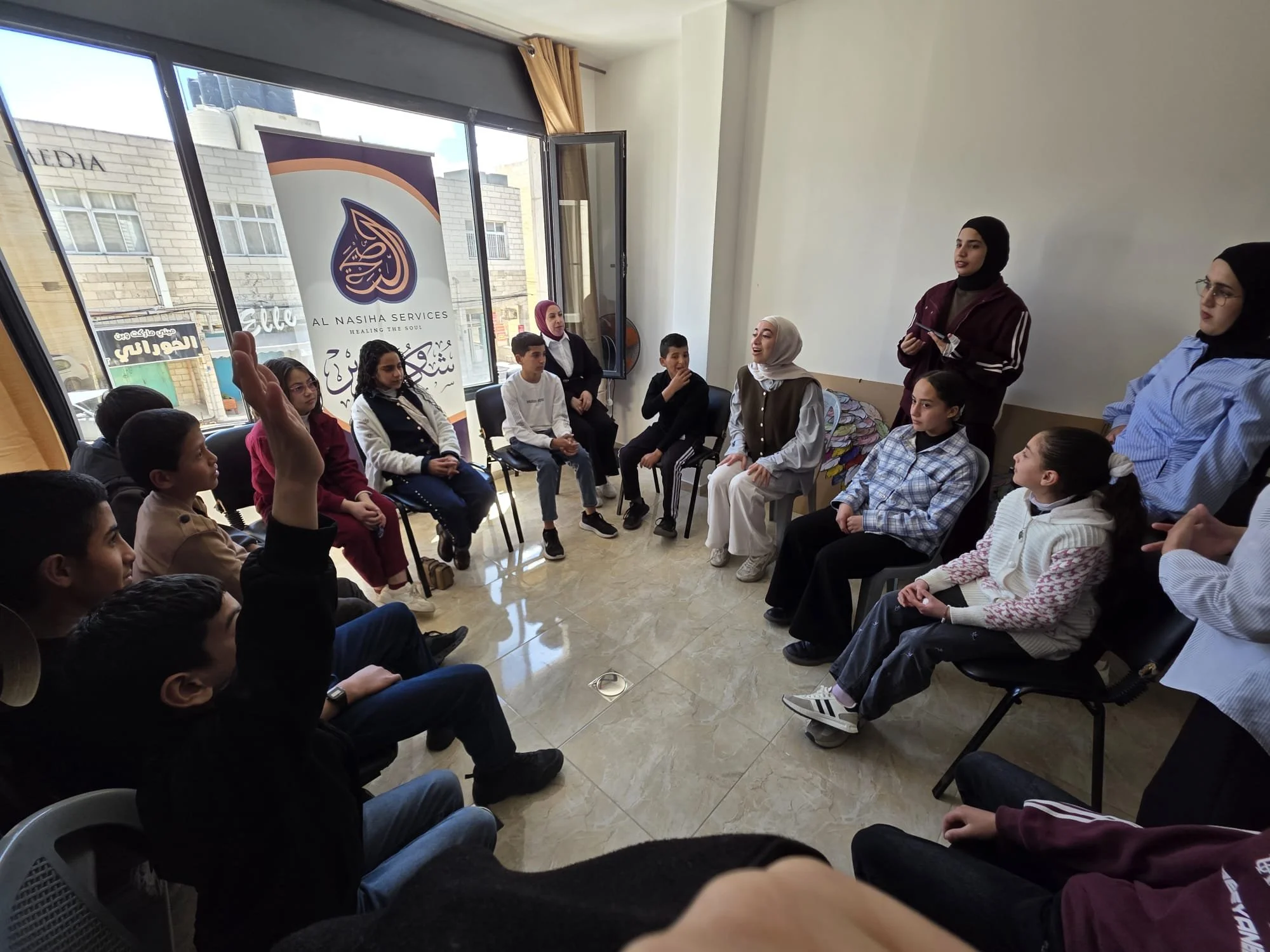
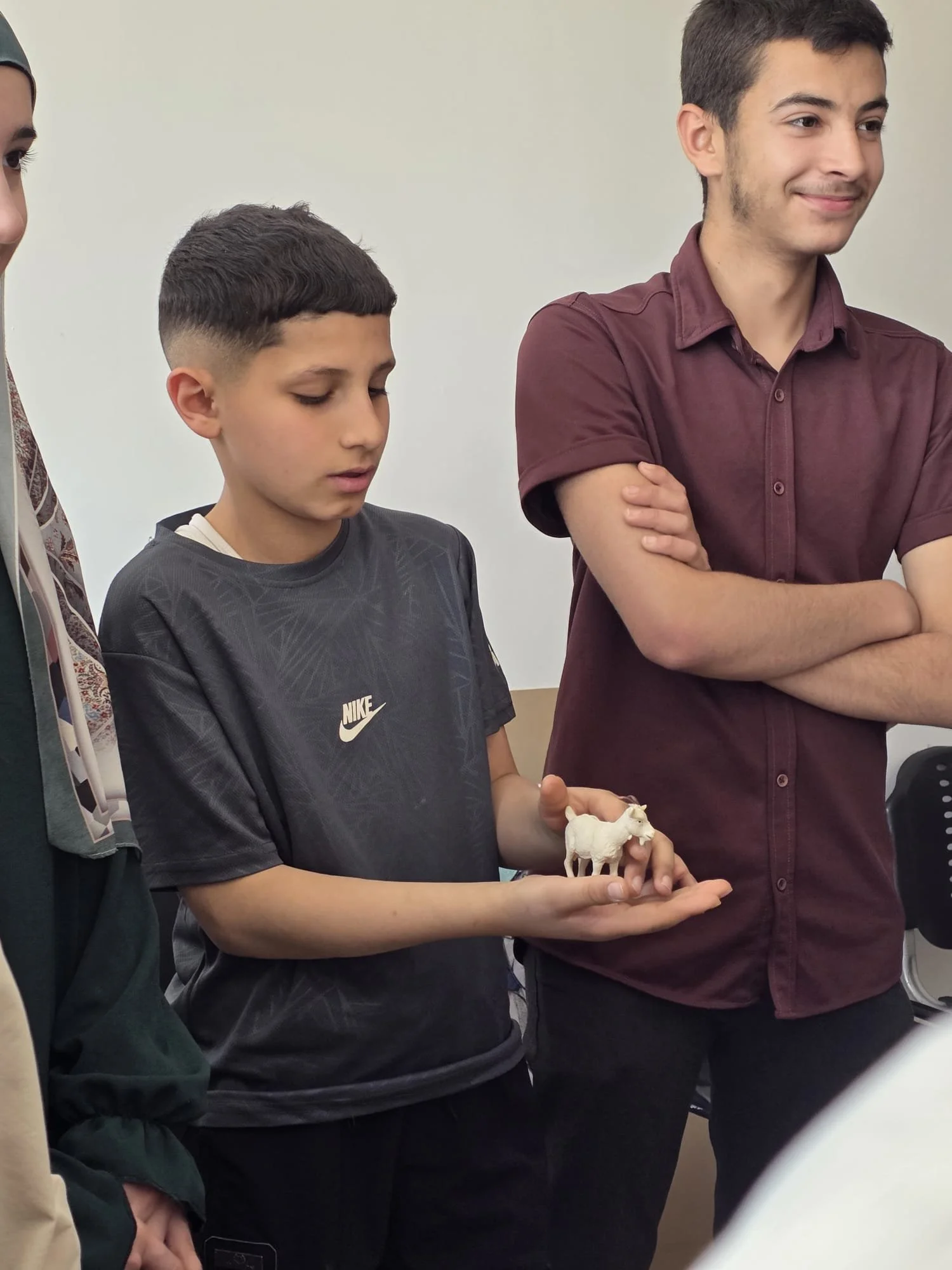
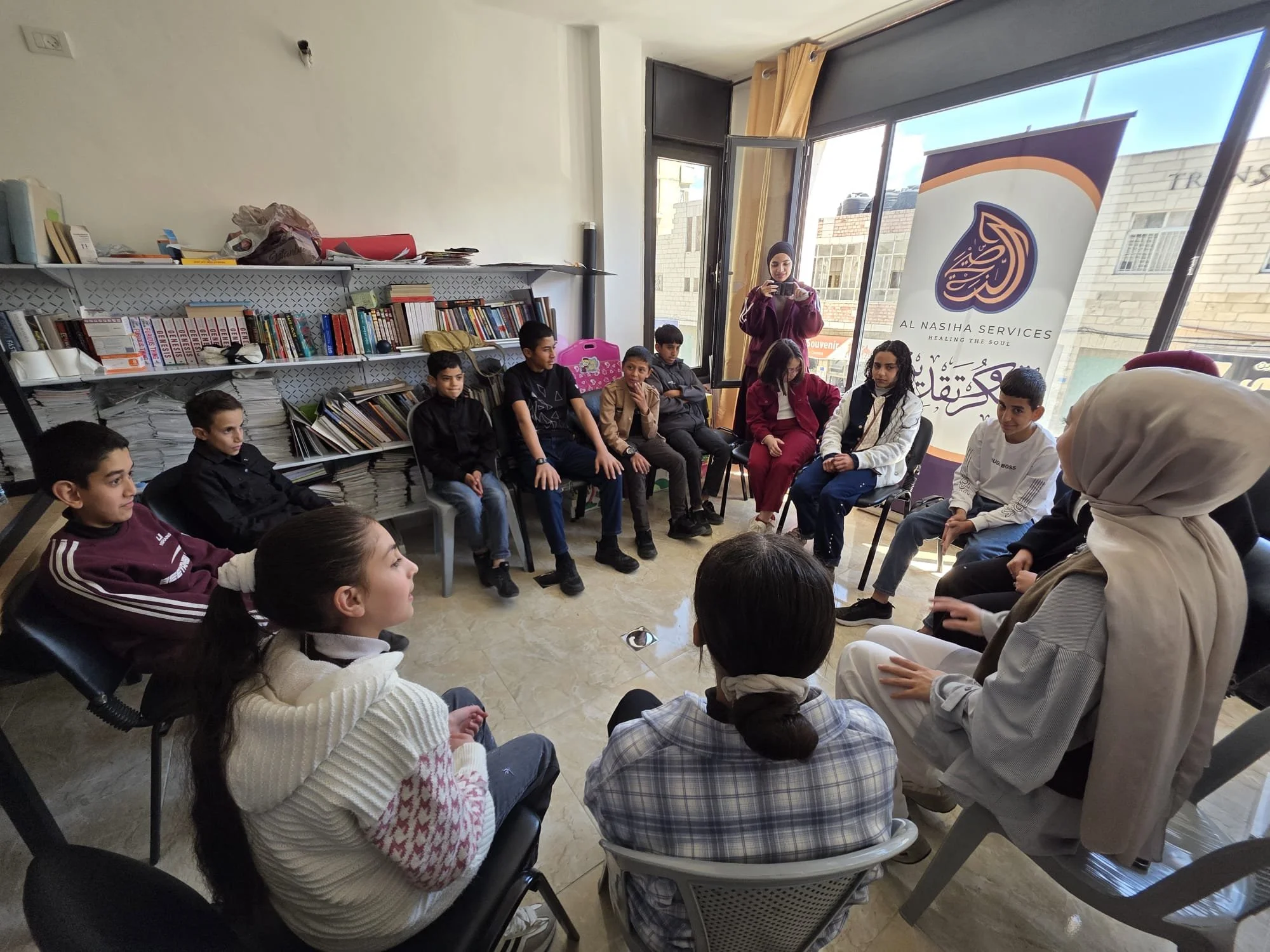
A mothers’ and children’s day, which included interactive activities and a supportive emotional session aimed at empowering mothers and strengthening their caregiving role.
Day 3
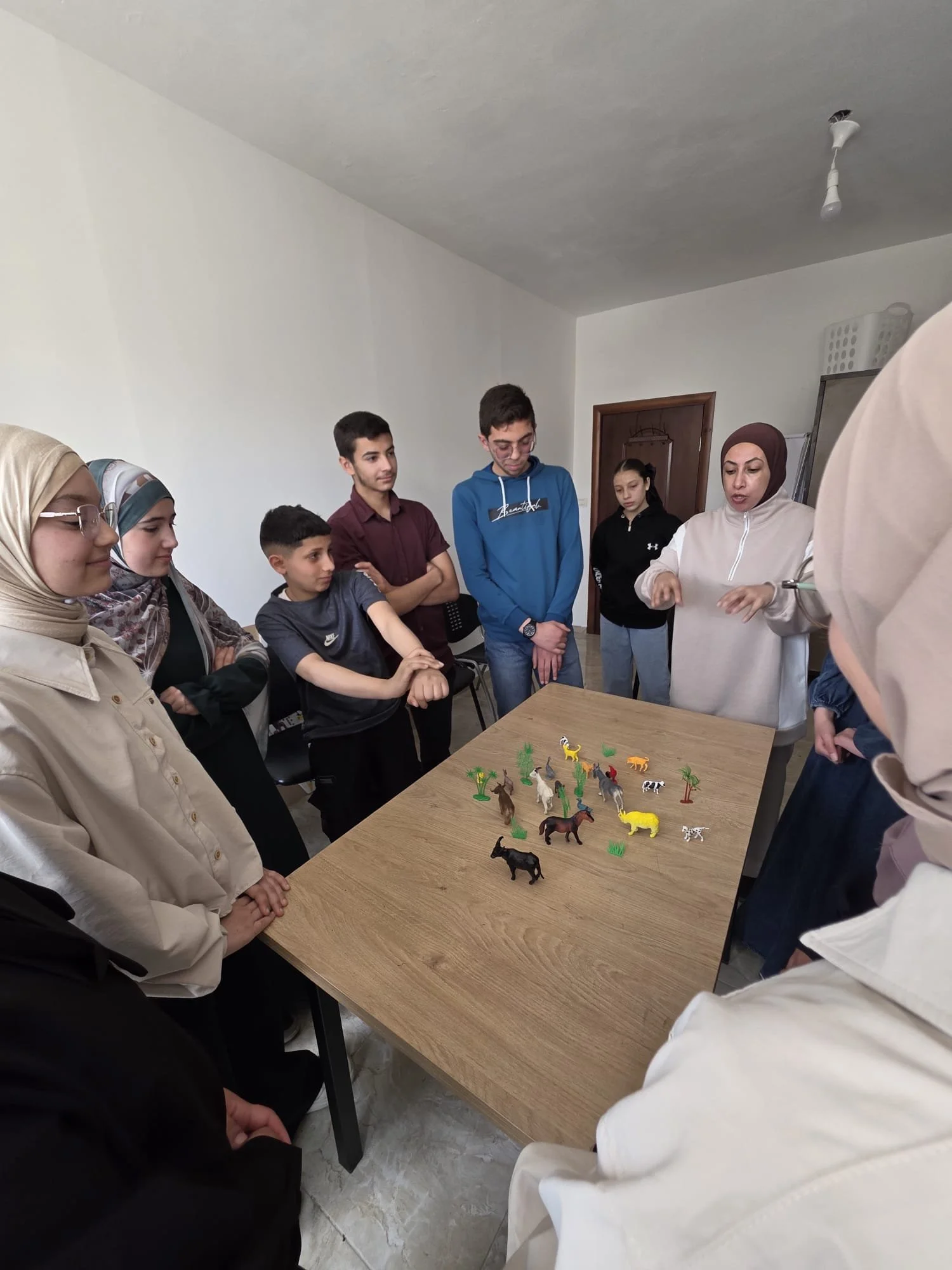
A glimpse into Day 3 of the “Sugar of Life” program, where we welcomed children aged 2–6 with their mothers for the first time. The session focused on introducing the initiative, building trust with mothers, and assessing their general and cognitive needs to better support diabetes care in early childhood.
Day 6
A glimpse into Day 6 of the “Sugar of Life” program, where young children and their mothers engaged in play-based learning and supportive sessions. While children explored diabetes concepts through play and expressive drawing, mothers participated in guided discussions and psychological support, building a stronger, more connected community of care.
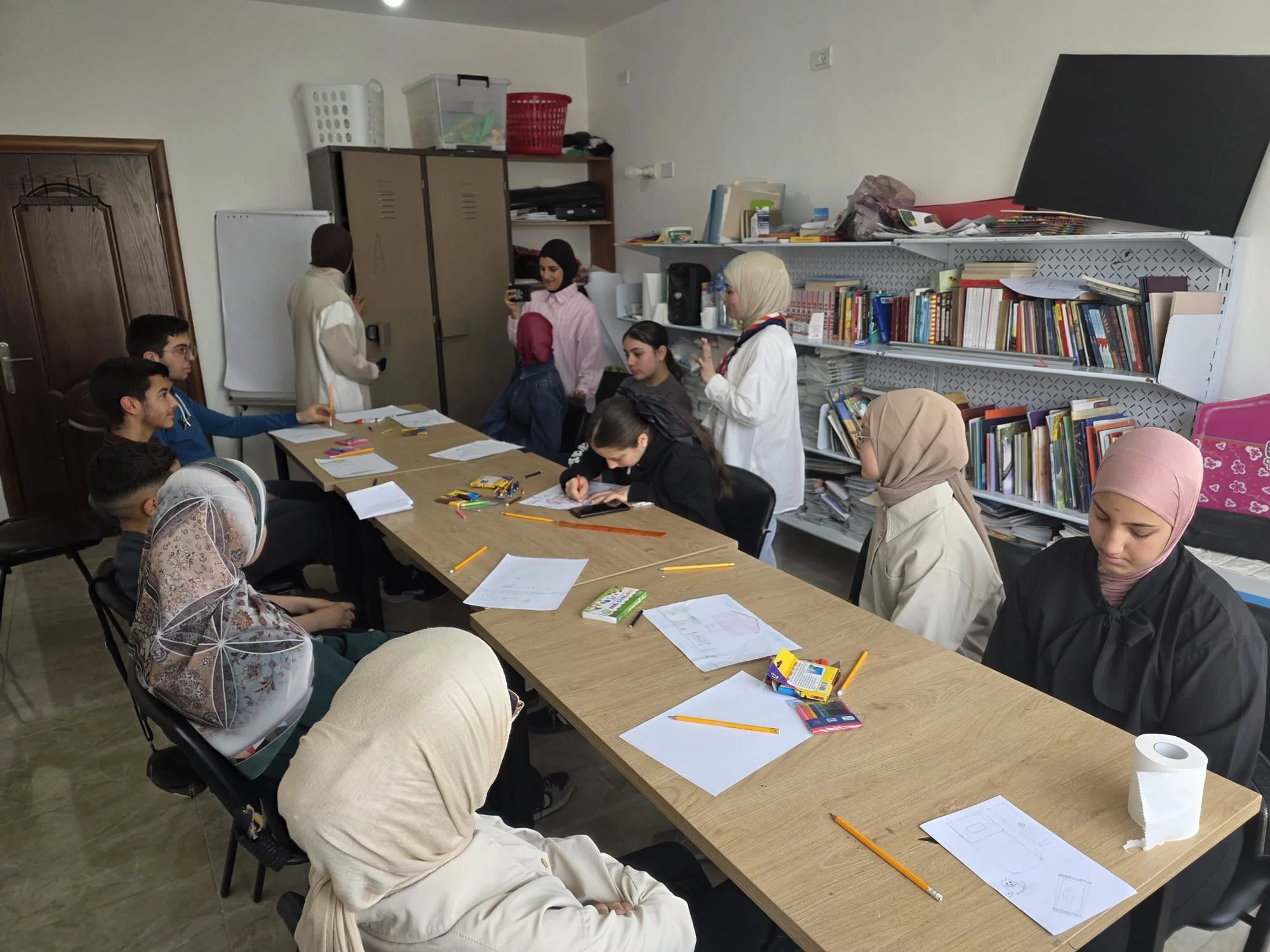
An interactive dialogue session with the children, focusing on listening to their experiences, emotions, and enhancing their self-awareness and psychological understanding.
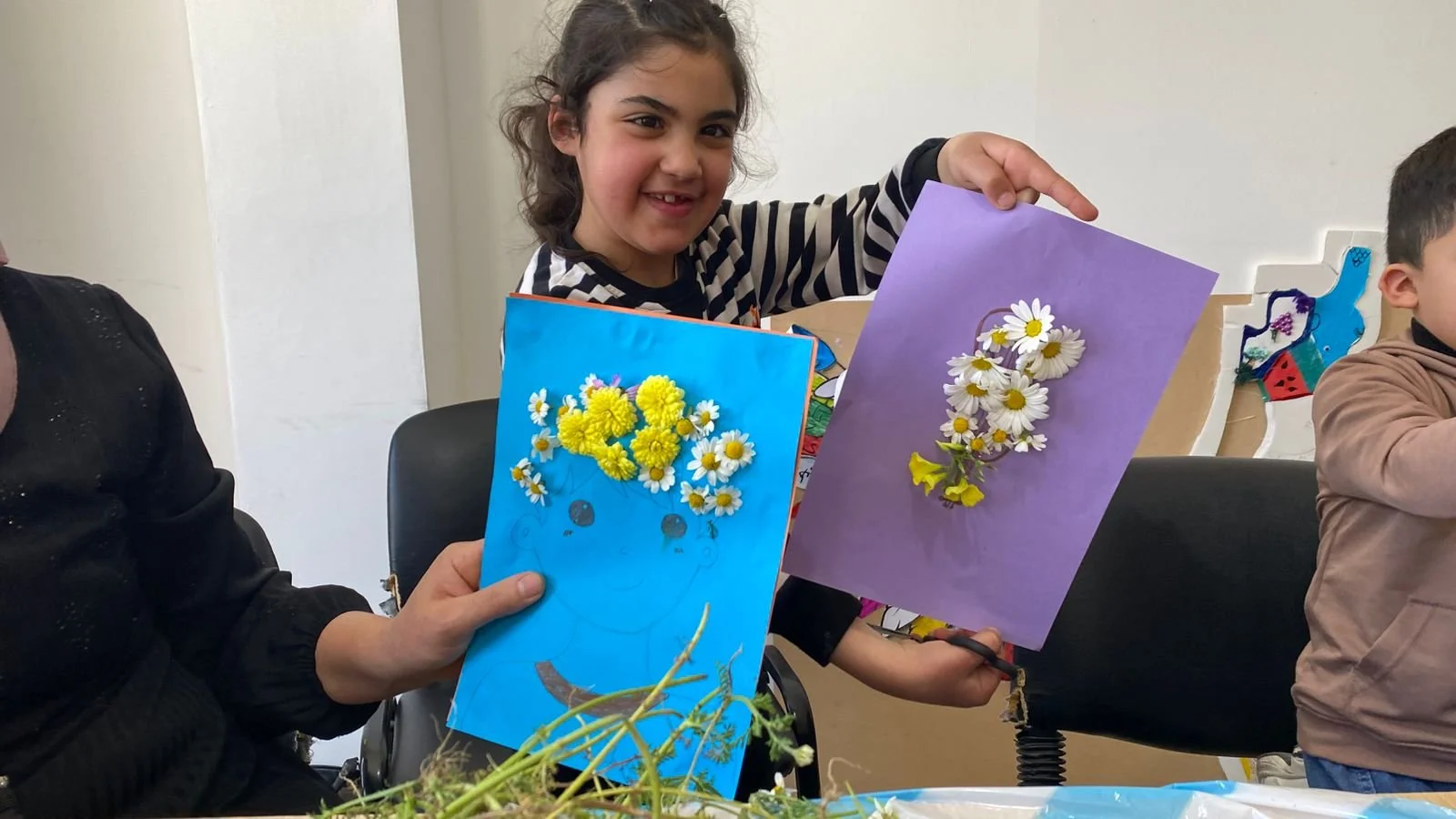
A session with the third group of children, focusing on emotion and personality expression exercises to enhance self-awareness and emotional understanding.
MEET THE TEAM
Day 2
A glimpse into the second day of the "Sugar of Life" program, introducing children aged 9–12 to engaging activities that foster interaction, expression, and understanding of their psychological and cognitive needs while managing diabetes.
Day 5
A glimpse into Day 5 of the “Sugar of Life” program, where children aged 9–12 engaged in an interactive educational session to strengthen their understanding of diabetes. The session was delivered by a nurse living with diabetes, followed by an open Q&A to address their questions and concerns, creating a supportive and relatable learning experience.
PHOTO GALLERY
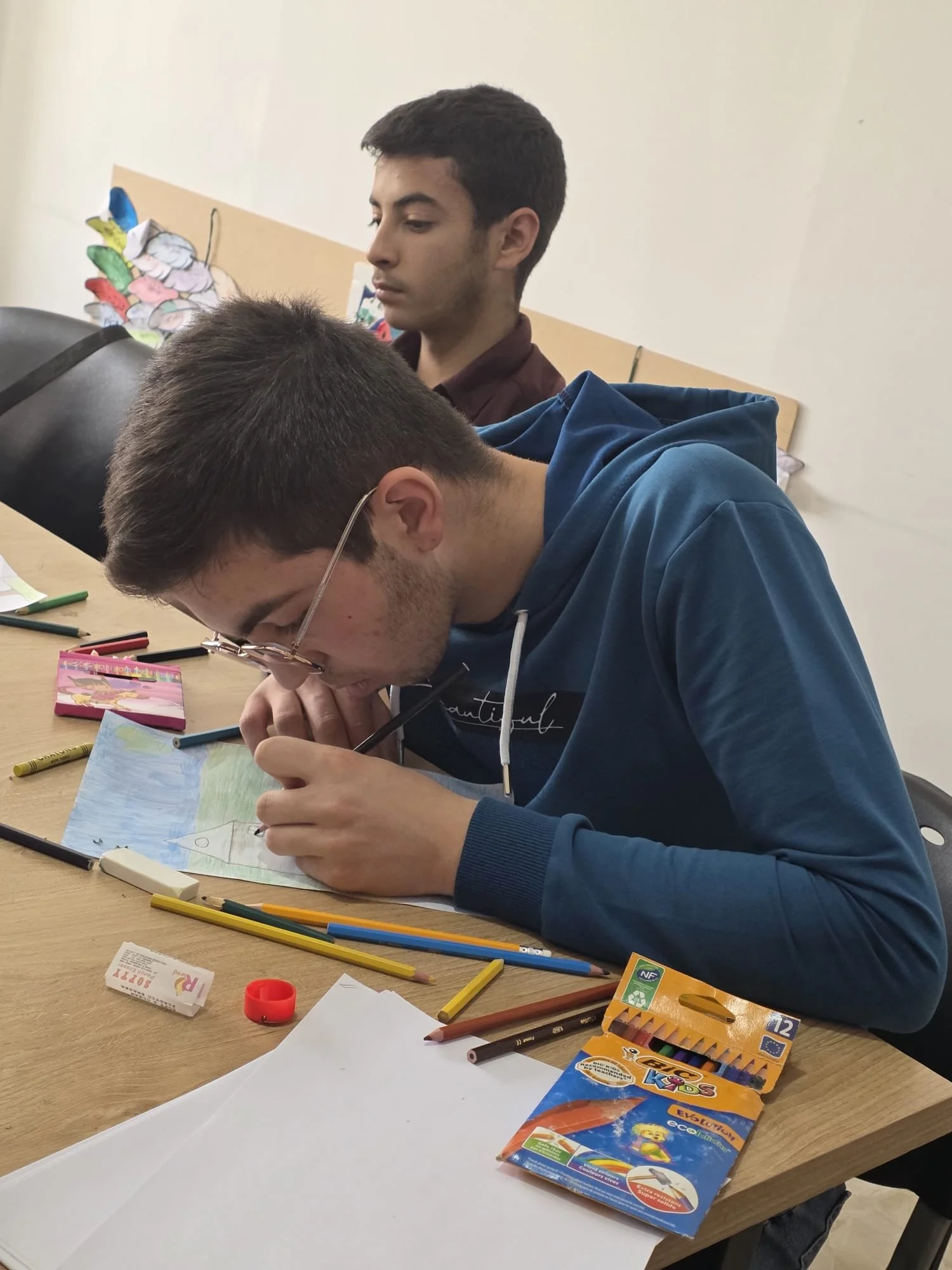
Episode 1 of our series “Meet the Team” — get to know our nurse and care provider, who shares her personal journey with diabetes and how it shapes her approach in supporting children within the program.
SUGAR OF LIFE APP
Children Interview
Children from the “Sugar of Life” program share their experiences, showing improved emotional awareness, coping skills, and diabetes understanding after participating in our sessions and using the application.
Impact Metrics (Ripple Effect)
500+
Direct Beneficiaries
1600+
Secondary Impact
(Level 2)
2000+
Third Impact
(Level 3)
Support this Team
Your vote contributes to the final evaluation score. Help recognize the impact that Sugar of Life is creating in their community.


Palestinian Students Scholarship Fund -
Empowering students to create lasting positive change across Palestine.
Quick Links
2026 Competition
Fostering a systematic culture of good deeds across Palestinian universities, empowering student leaders to create measurable community impact through initiatives that inspire exponential ripple effects of kindness and mutual support.
Contact


312-200-2723
Winner Announcement: To be Announced
© 2026 Palestinian Students Scholarship Fund. All rights reserved.