
Project Participants
Project Story
-
Millions of people with visual impairments in Arabic-speaking communities lack access to assistive technologies tailored to their language and daily needs. Most existing solutions are designed primarily for English speakers, limiting accessibility and independence for many users.
In addition, there is a gap in community awareness. Many people are unfamiliar with the different types of visual impairments and how to interact with or support individuals who are blind or low vision. This lack of understanding can lead to social barriers, exclusion, and unnecessary dependence. At the same time, many visual impairments could have been prevented with better awareness of eye health, early check-ups, and proper care.
-
Sight is an AI-powered vision assistant designed to support blind and low-vision Arabic speakers. Through a mobile application and a wearable clip device, Sight converts visual information into real-time Arabic speech, enabling users to read text, identify objects and currency, recognize faces, and navigate their surroundings more independently.
Beyond its technological core, the initiative extends to the community level. Sight includes awareness sessions, educational activities, and eye screening sessions that aim to increase public understanding of visual impairments, including their types and challenges. The initiative also promotes eye health by sharing practical guidance on how individuals can protect their vision and reduce the risk of visual impairment.
By combining assistive technology with community engagement, the initiative ensures impact not only for users, but for society as a whole.
-
Sight addresses two critical dimensions: access to the right technology and the need for an informed and supportive community. By empowering individuals with visual impairments through innovative tools, the initiative enhances independence, confidence, and quality of life.
At the same time, raising awareness about visual impairments and eye health helps create a more inclusive environment and encourages preventive behaviors within the community. This dual impact contributes to reducing barriers, promoting inclusion, and building a society where individuals with visual impairments can participate more fully and where fewer people are at risk of preventable vision loss.

Project Updates
April 22nd Update
This is our first project update for the Sight initiative. Our team has started working on raising community awareness about visual health and visual impairment. As a first activity, we organized an interactive awareness session in a kindergarten, targeting young children to introduce them to the importance of eye care.
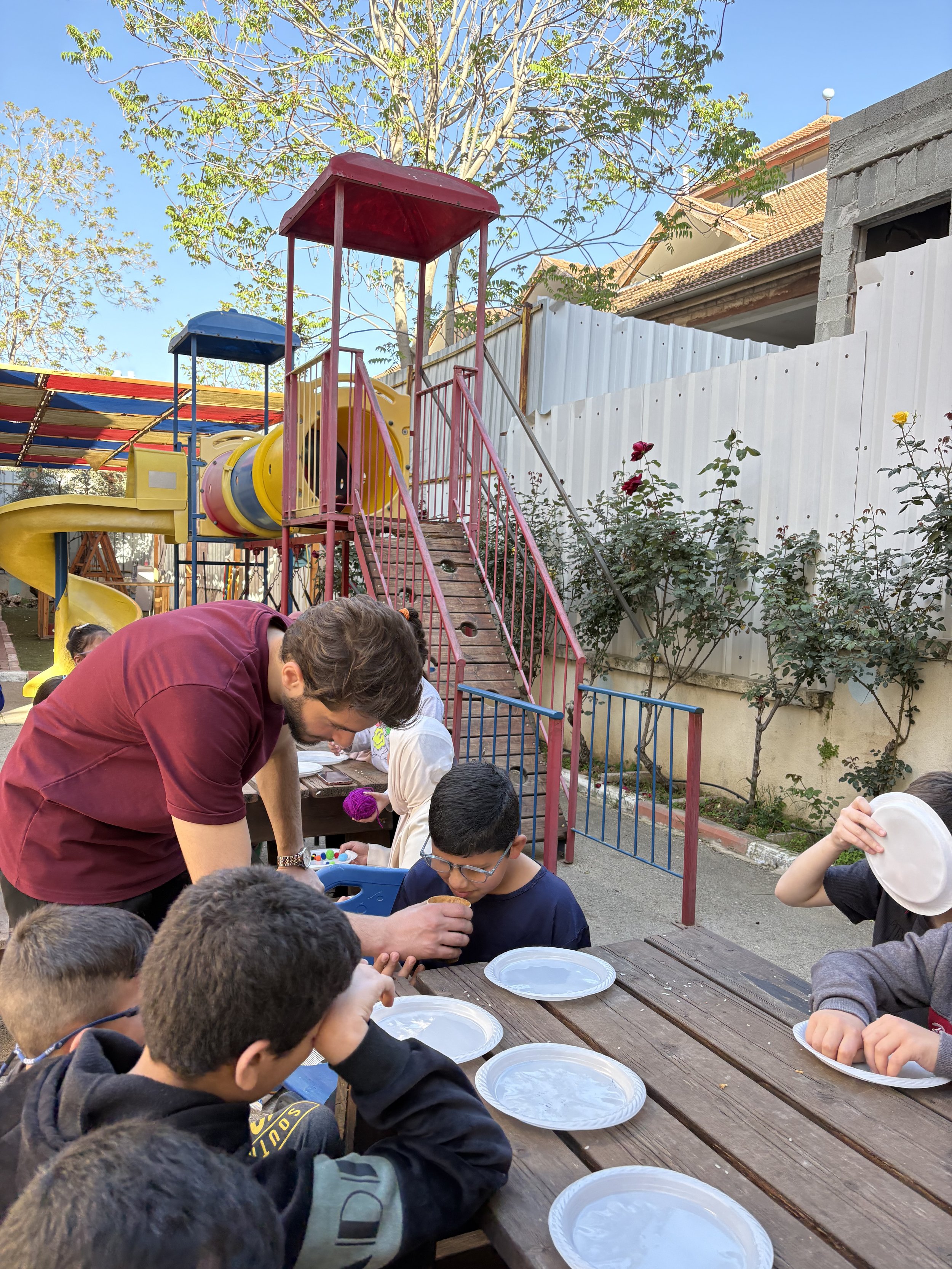
During the session, we explained the role of the eye in a simple and engaging way, discussed healthy and unhealthy habits, and used visual materials to help children identify correct behaviors. We also conducted sensory activities where children relied on touch and hearing, helping them better understand the experience of visually impaired individuals.
April 22nd Update
Since our last update, our team conducted a field visit to a Resource Center for individuals with visual impairments on Sunday, April 19. During this visit, we introduced our initiative and presented our application, explaining its purpose and how it aims to support visually impaired individuals in their daily lives.
We engaged directly with both students and educators, allowing them to try the application themselves and share their feedback. The session was highly interactive, as participants expressed their needs, challenges, and suggestions for improvement. Their input provided valuable insights that will help us enhance the application to better serve their real-life requirements.
In addition, we conducted an interview with a visually impaired child, where she shared her personal experience, her needs, how the center supports her, and the types of technologies she uses in her daily life. She also spoke about what she looks for in technological applications and shared a message to the community about how to better support individuals with visual impairments. This interview has been shared on our social media platforms to raise awareness:
https://www.instagram.com/reel/DXXVdPRjELz/?igsh=MXdnczFzejE2YTFvZA==
Participants responded positively to the concept, highlighting the potential impact of the application once fully developed and implemented. This activity strengthened our understanding of user needs and reinforced our commitment to creating an inclusive and practical solution.
April 22nd Update
Since our last update, our team conducted a field visit to a Resource Center for individuals with visual impairments on Sunday, April 19. During this visit, we introduced our initiative and presented our application, explaining its purpose and how it aims to support visually impaired individuals in their daily lives.
We engaged directly with both students and educators, allowing them to try the application themselves and share their feedback. The session was highly interactive, as participants expressed their needs, challenges, and suggestions for improvement. Their input provided valuable insights that will help us enhance the application to better serve their real-life requirements.
In addition, we conducted an interview with a visually impaired child, where she shared her personal experience, her needs, how the center supports her, and the types of technologies she uses in her daily life. She also spoke about what she looks for in technological applications and shared a message to the community about how to better support individuals with visual impairments. This interview has been shared on our social media platforms to raise awareness:
https://www.instagram.com/reel/DXXVdPRjELz/?igsh=MXdnczFzejE2YTFvZA==
Participants responded positively to the concept, highlighting the potential impact of the application once fully developed and implemented. This activity strengthened our understanding of user needs and reinforced our commitment to creating an inclusive and practical solution.
As part of our ongoing awareness efforts, our team organized an on-campus event at Bethlehem University, targeting university students. During this activity, we introduced our Sight initiative and raised awareness about visual impairment, including its types and the challenges faced by visually impaired individuals.
To create a more engaging experience, we involved students in interactive challenges such as completing tasks without vision (e.g., drawing and performing simple activities while blindfolded), as well as experiencing the use of the white cane, allowing them to better understand the daily experiences of visually impaired individuals. We also highlighted the importance of eye health and shared tips on how to protect vision, supported by distributing informative brochures.
In addition, we provided free eye screening for participants in collaboration with St. John Eye Hospital, and introduced them to the Sight application, explaining its features and how it can support visually impaired individuals in their daily lives. Students also had the opportunity to try the application themselves, making the session both informative and hands-on.
This activity aimed to increase awareness, encourage empathy, and promote the use of technology as a supportive tool for inclusion.
April 24th Update
On April 23rd, our team organized an awareness and engagement event at Bethlehem University as part of the Sight initiative, aiming to support individuals with visual impairments and promote their inclusion within society.
The event began with an introduction to the Sight initiative, where we presented the problem we are addressing—limited access to Arabic assistive technologies and lack of awareness—and explained how our solution supports blind and low-vision individuals through both technological and community-driven approaches.
Following that, a representative from the Resource Center for the Rehabilitation of the Visually Impaired delivered a talk about visual impairment, the services their institution provides, and how they support beneficiaries. This helped attendees better understand the role of such institutions and how they can contribute to supporting this community.
The event also featured a choir performance by visually impaired students from Al-Shorouq School, showcasing their talents and challenging common stereotypes by demonstrating their creativity and abilities.
In addition, we hosted a success story segment where a visually impaired teacher from Al-Shorouq School shared her personal journey, highlighting how she overcame challenges and succeeded in her education and career. She emphasized the importance of community support, equal opportunities, and inclusion.
After the stage program, attendees engaged with several interactive booths, including:
* A Braille experience where participants learned how to read and write using Braille
* White cane awareness and guidance
* A hands-on demonstration of the Sight application
* A tactile art booth displaying raised drawings designed for visually impaired individuals, allowing participants to experience art through touch rather than sight
The event was highly impactful, as it increased awareness, changed perceptions, and helped attendees better understand the capabilities of individuals with visual impairments. It encouraged a more inclusive mindset and highlighted the importance of supporting and integrating this group within society.
April 24th Update
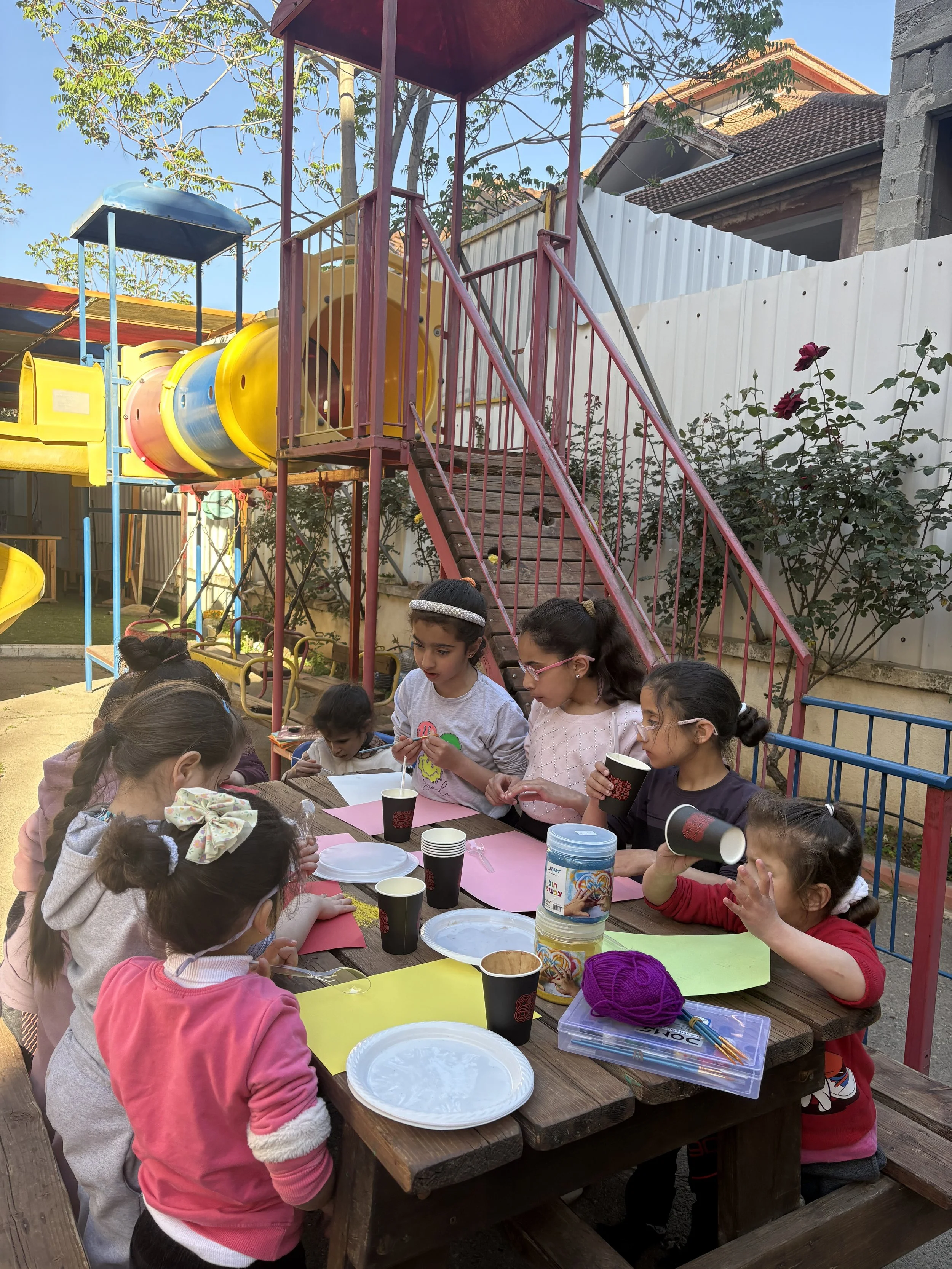
Our team has been working on designing and implementing an interactive program of activities for children with visual impairments. The main goal of the program was to support these children in developing their non-visual senses (touch, hearing, smell, and taste), while also enhancing their confidence, independence, and social interaction through engaging and hands-on activities.
The program was implemented over two days:
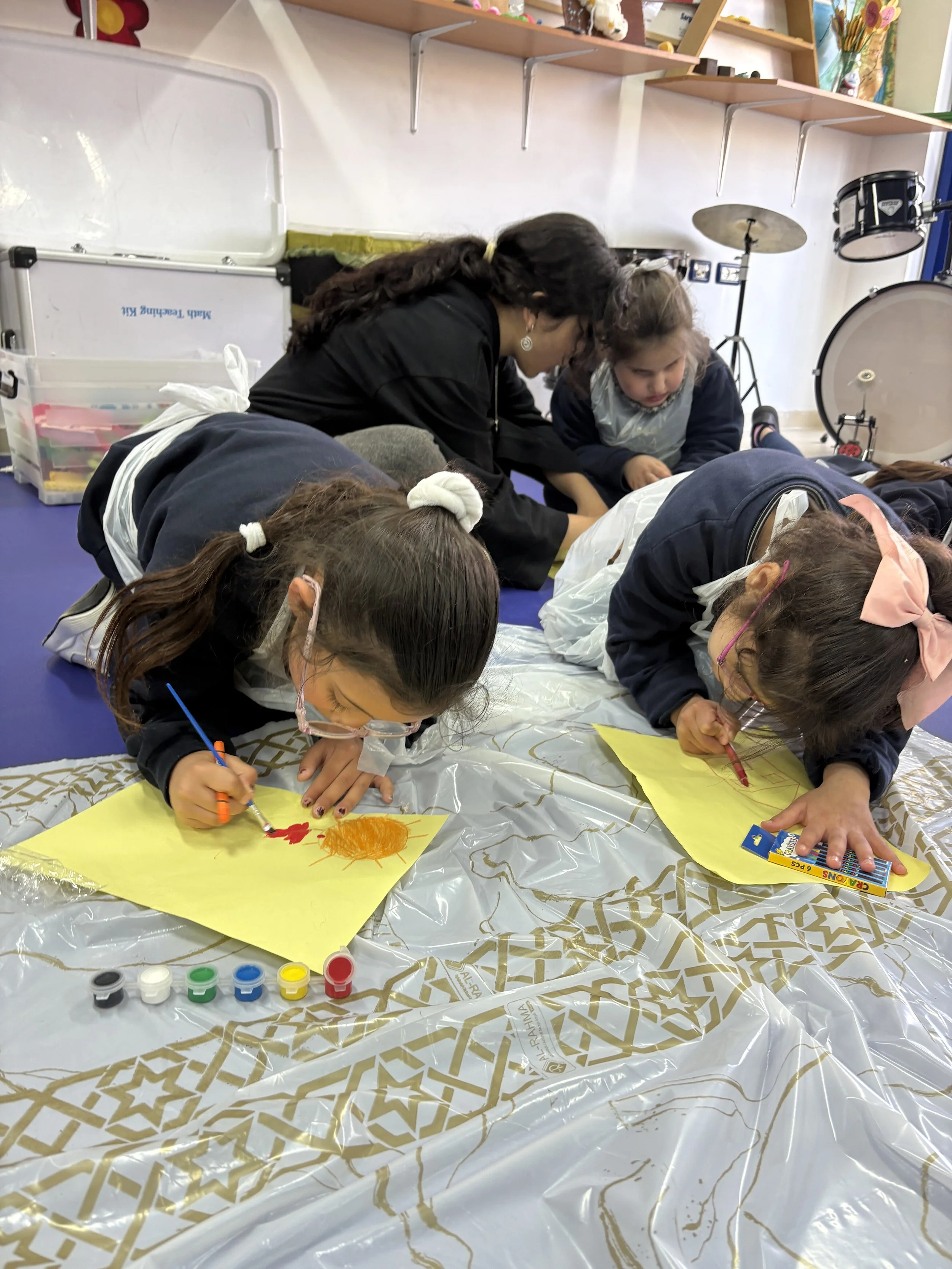
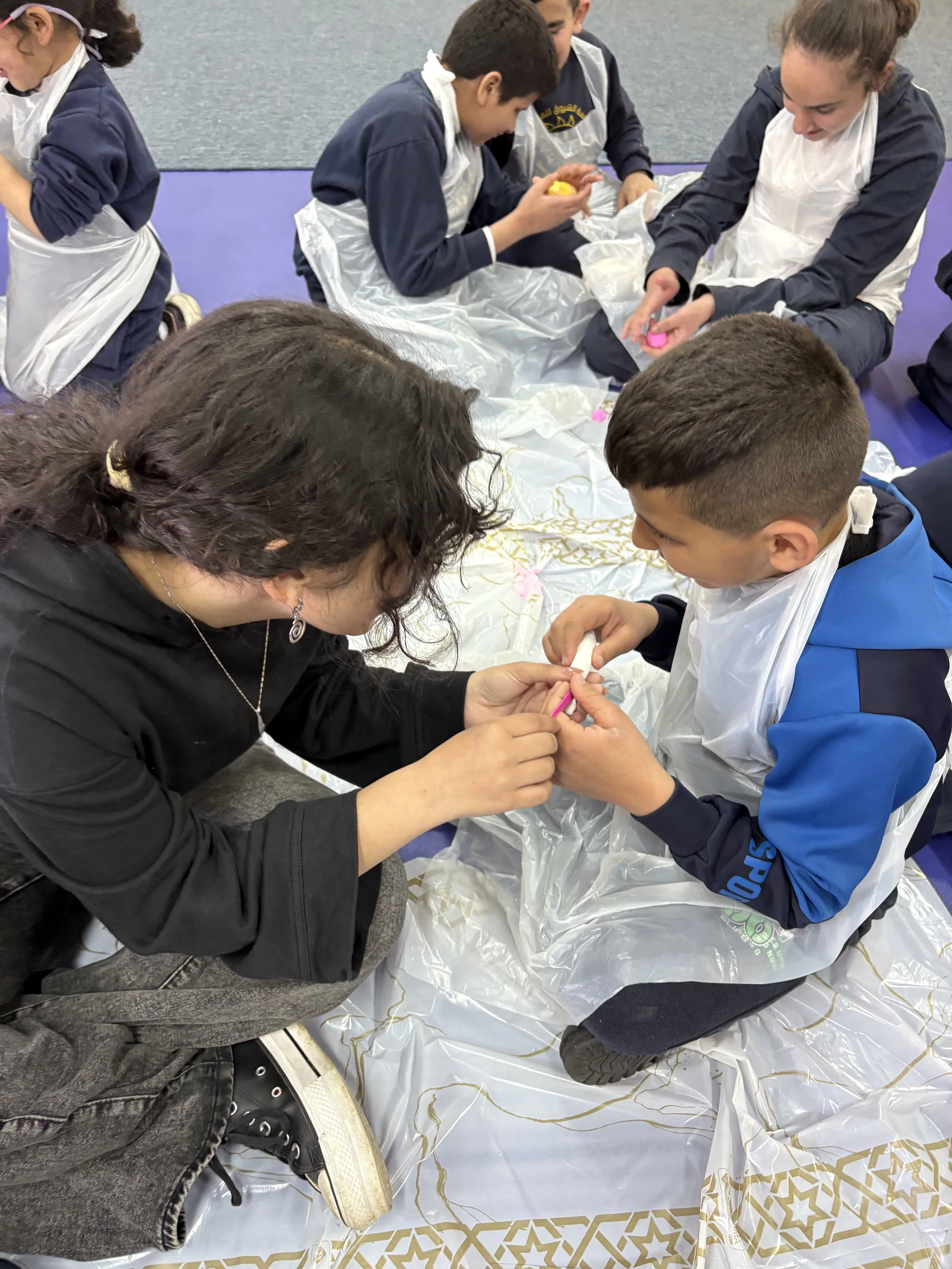
On the first day, we focused on artistic and sensory-based creativity. We organized activities such as clay modeling, where children used their sense of touch to create different shapes and objects. They explored textures, sizes, and forms using their hands, which helped strengthen their tactile perception. We also conducted raised drawing and simple printing activities using different materials, allowing children to experience art in a tactile and interactive way. In addition, we included movement and sound-based games that encouraged children to rely on hearing and physical movement, helping them feel more comfortable and confident in the environment.
On the second day, we focused on sensory challenges and independence. Children participated in activities that relied on identifying objects through touch, recognizing different scents, and distinguishing between different tastes. These activities created a fun and engaging environment where children used their senses to explore and differentiate between items, improving their concentration and sensory awareness. We also included independence-based activities such as preparing simple food by themselves, which helped them practice daily life skills and rely more on their own abilities.
Overall, the program was designed to be interactive, inclusive, and enjoyable. It provided children with opportunities to explore their abilities beyond vision, build confidence, and develop essential life and sensory skills in a supportive and engaging environment.
April 29th Update
Since our last submission, we have been conducting interviews with people with visual impairments to share their voices and real experiences with the community.
In this phase, we focused on Mahmoud’s interview, where we explored his personal experiences, daily challenges, and perspectives. We discussed common misconceptions about visual impairment, how he navigates daily life, uses technology, and how he prefers society to interact with people with visual impairments.
During the interview, we also asked Mahmoud to try “sight” application to observe his experience and gather feedback on how it can be improved to better suit users with visual impairments.
This work is part of a broader effort that also includes a previously mentioned interview with a young girl with a visual impairment. Through these interviews, we aim to let individuals share their own stories, challenges, and perspectives directly, rather than speaking on their behalf.
Our goal is to raise awareness, challenge stereotypes, and help society better understand visual impairment through real voices and lived experiences.
May 5th Update
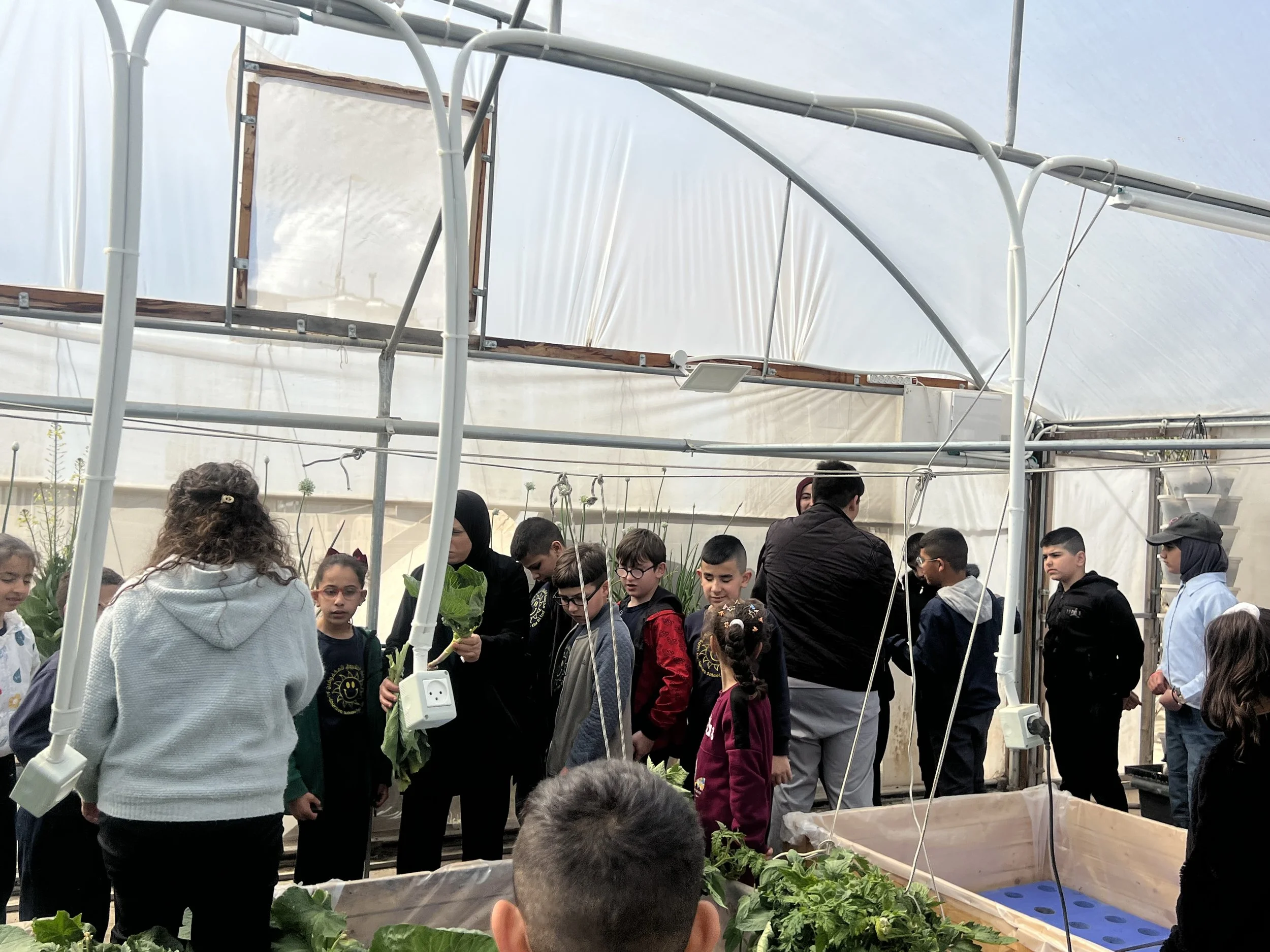
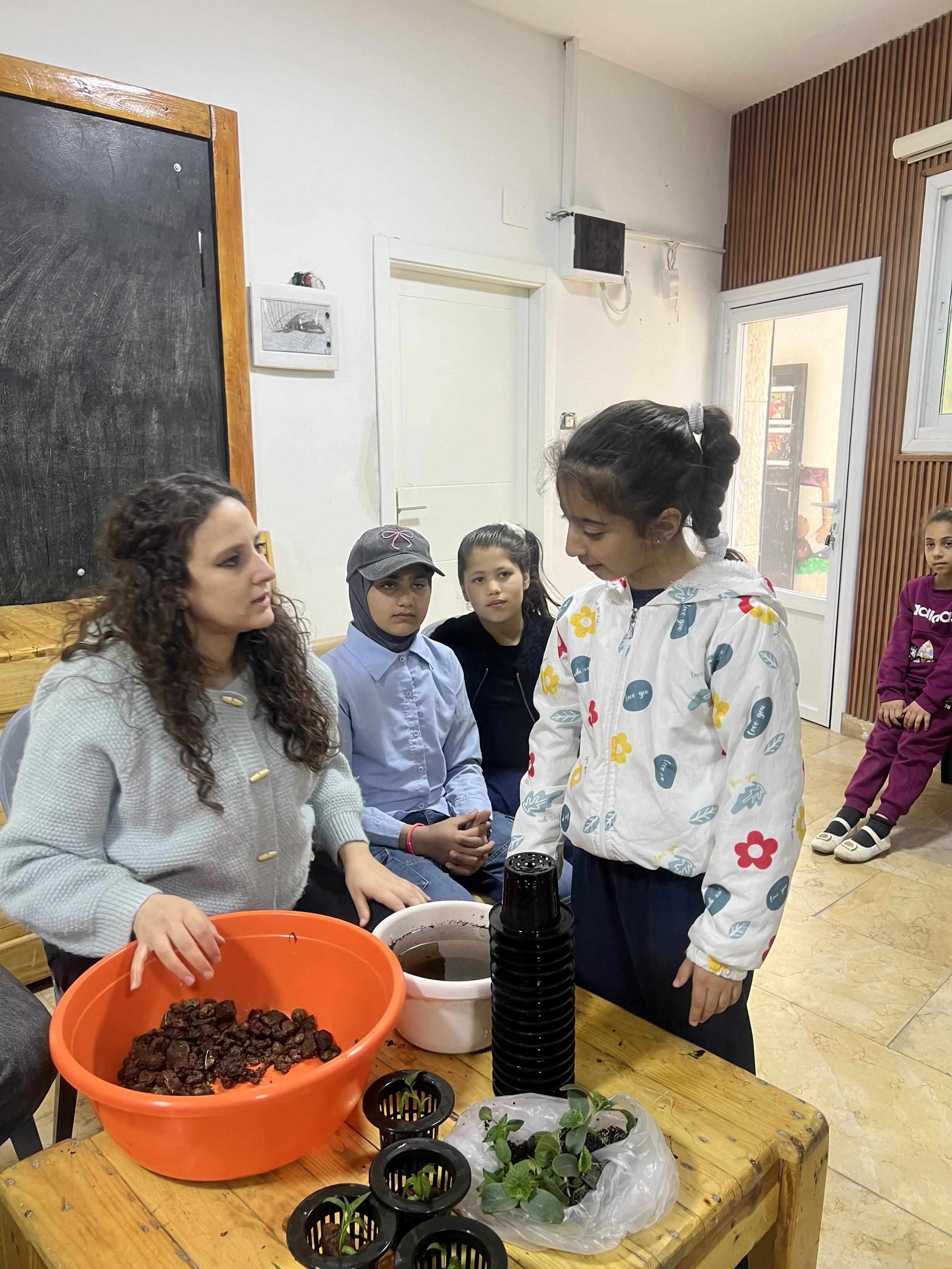
As part of our initiative to support and promote the inclusion of children with visual impairments, we conducted an interactive activity centered around hydroponic farming, bringing together visually impaired and sighted children in a shared learning environment.
The activity began with an ice-breaking session where the children introduced themselves and got to know one another, helping to create a comfortable and inclusive atmosphere. This was followed by a simple introduction to agriculture, its history in Palestine, and how hydroponic farming has become an important solution, especially in areas with limited access to land such as refugee camps.
The children were then introduced to the greenhouse environment used for hydroponic farming, where they explored plants through sensory experiences such as touch and smell, making the activity more engaging and accessible.
The main part of the activity was hands-on planting. Each child independently selected a plant, placed it in its container, and prepared it for hydroponic growth with guidance. This approach encouraged active participation and helped build confidence and independence.
Overall, this activity provided a non-formal, sensory-based learning experience that fostered inclusion, interaction, and meaningful engagement between visually impaired and sighted children.
Events - Pictures
On-Campus Awareness Event at Bethlehem University | April 20th
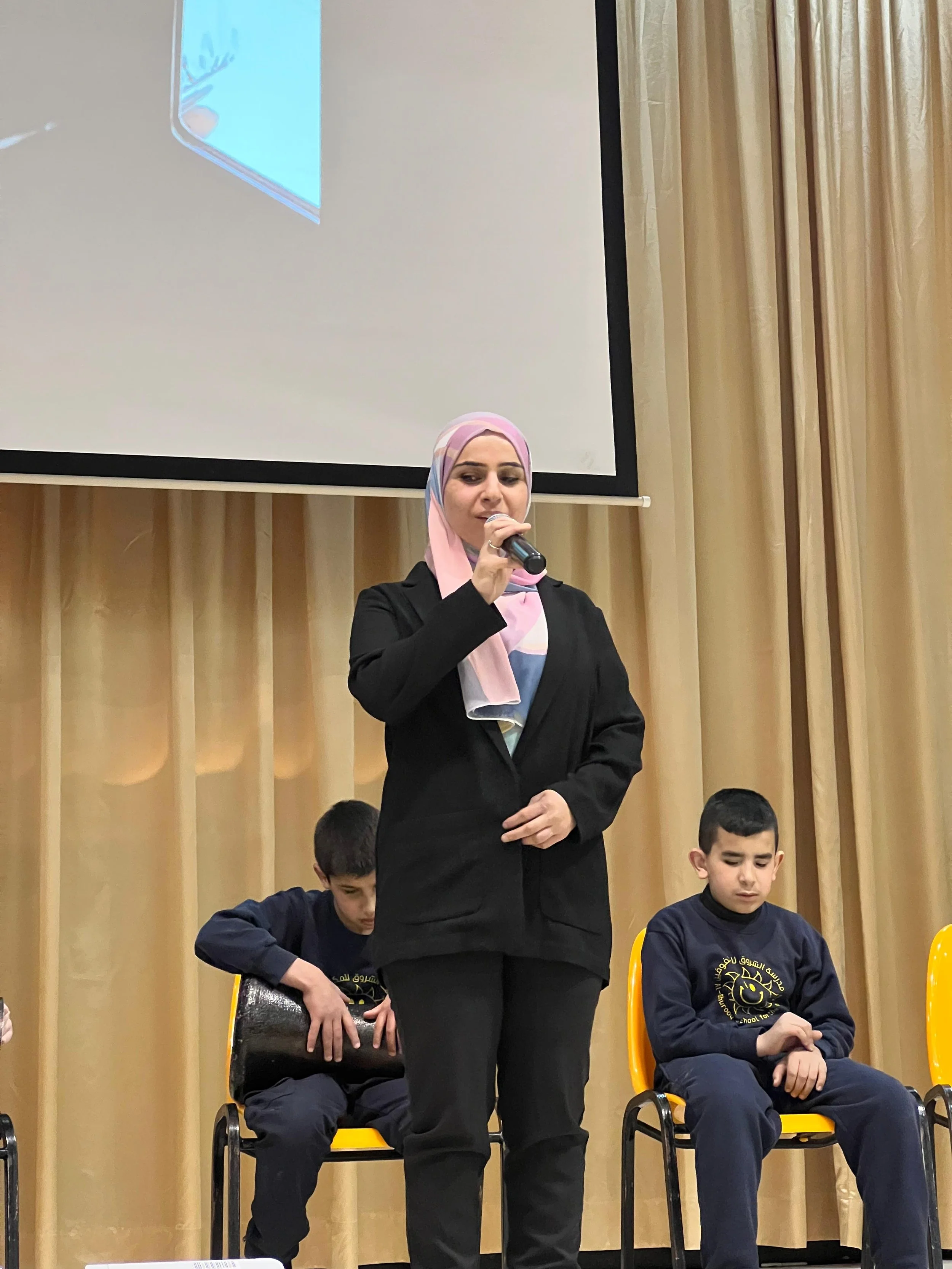
Talent Beyond Limits: Children’s choir performance
Photo Gallery
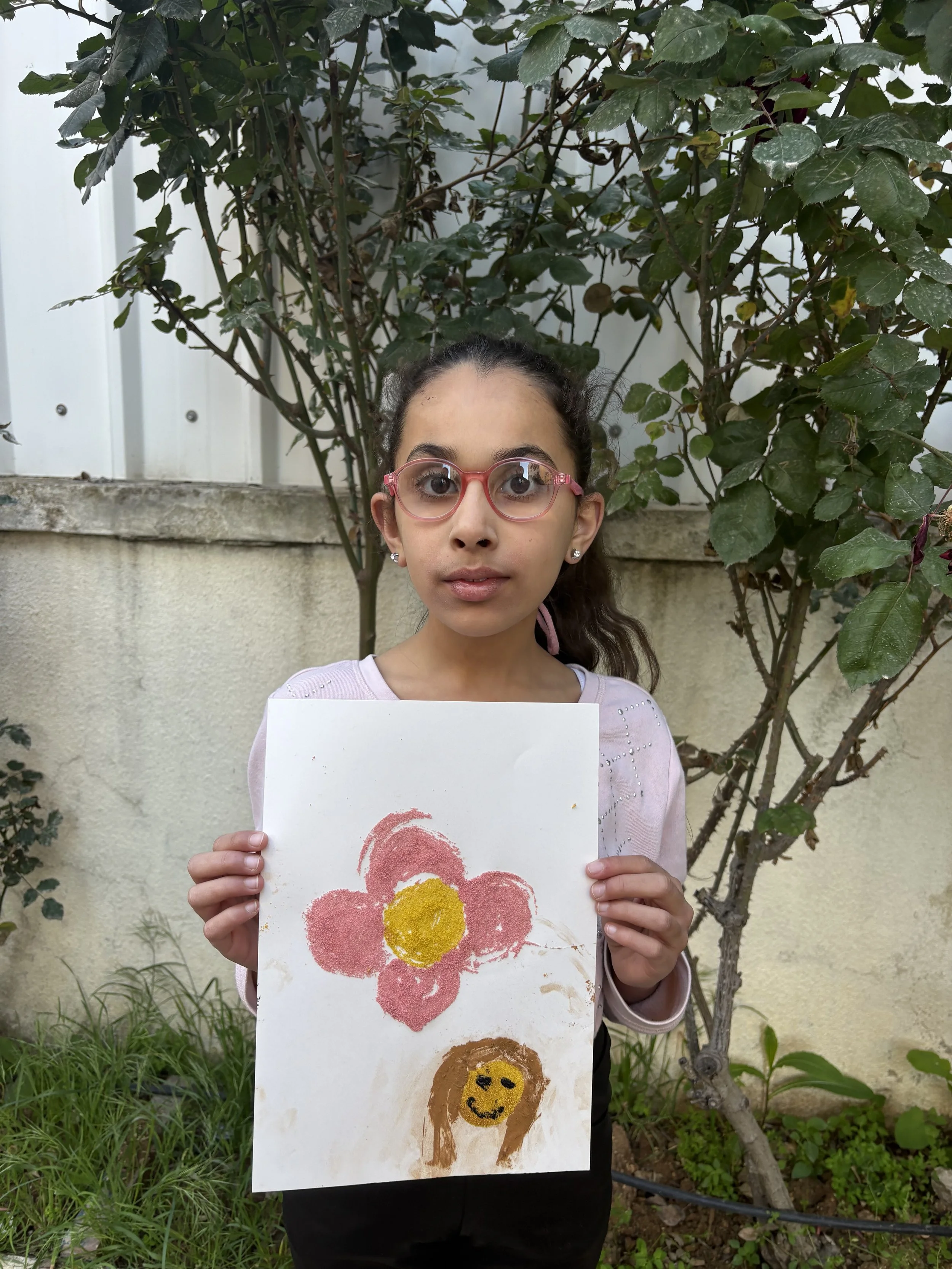
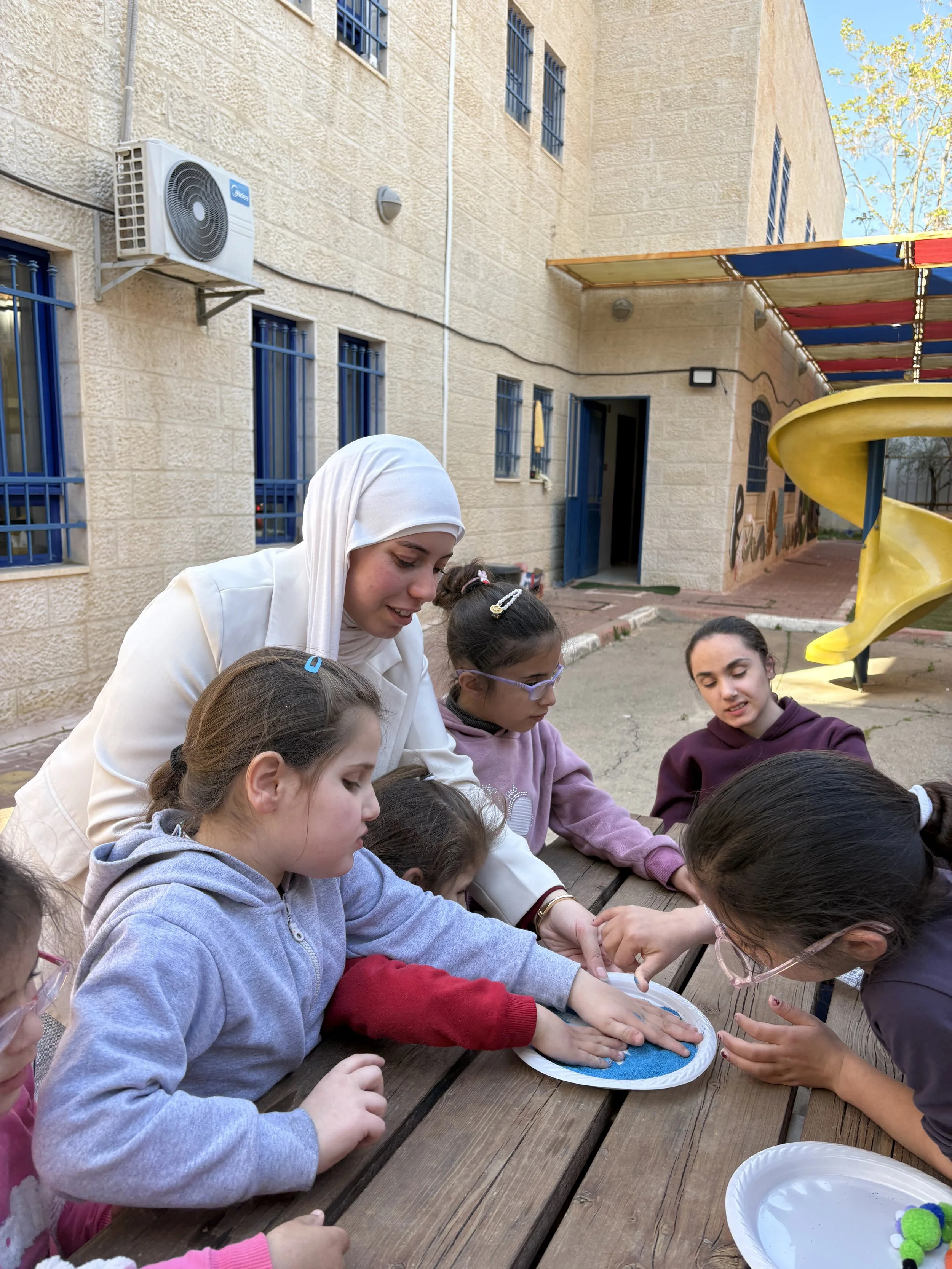
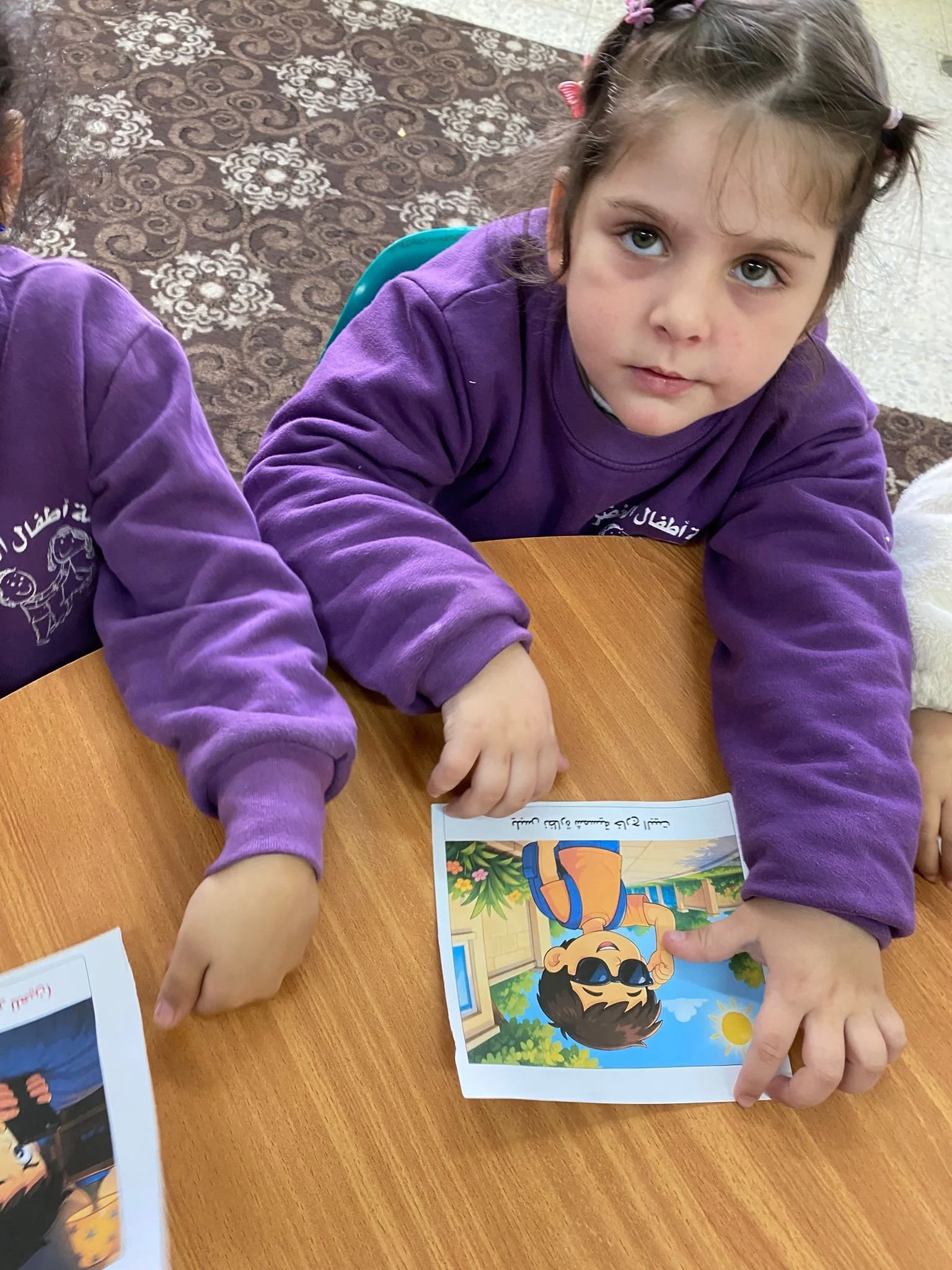
Children engaging with images to identify healthy and unhealthy eye habits 💡
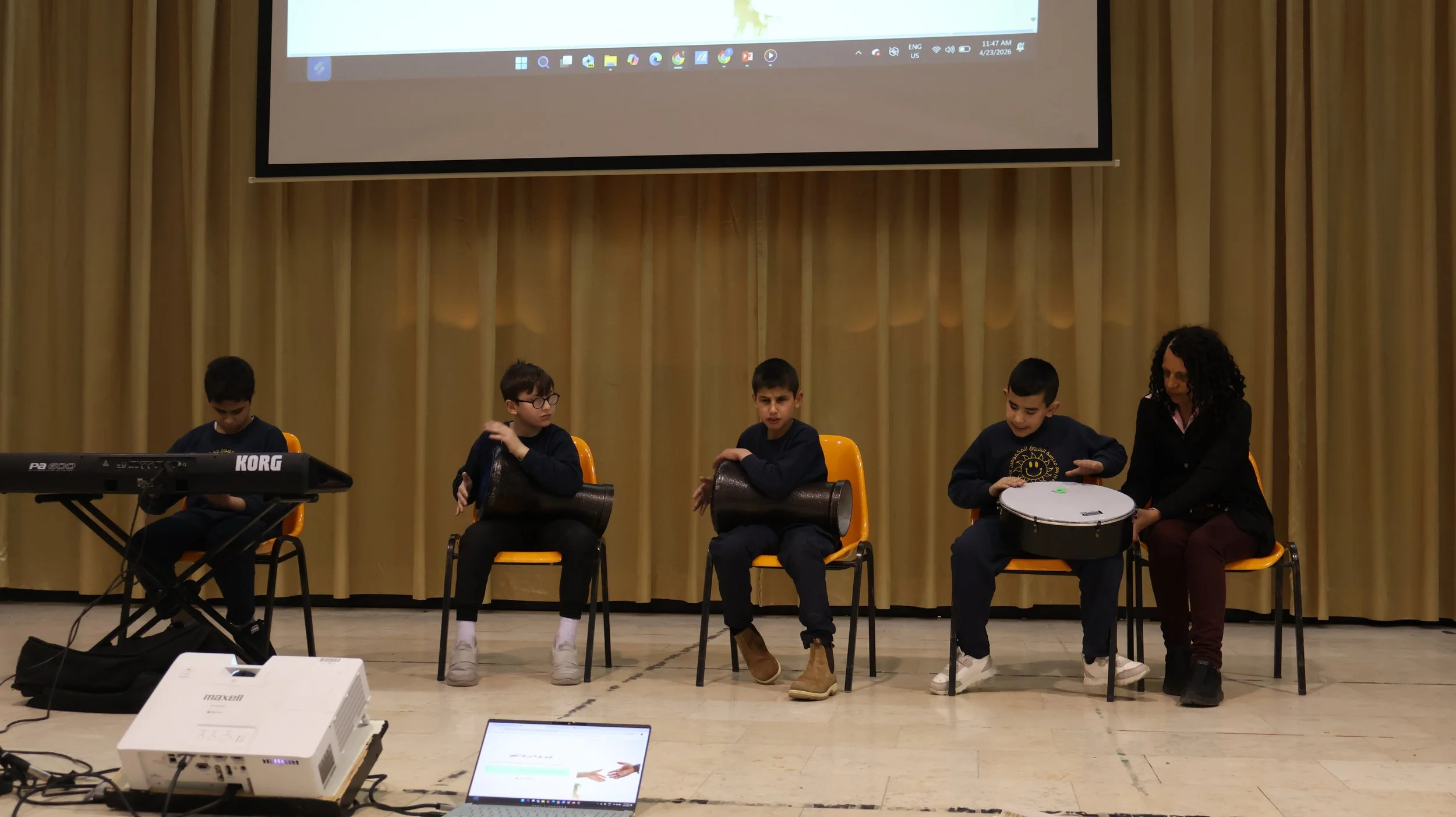
Moments of joy, creativity, and sensory exploration.
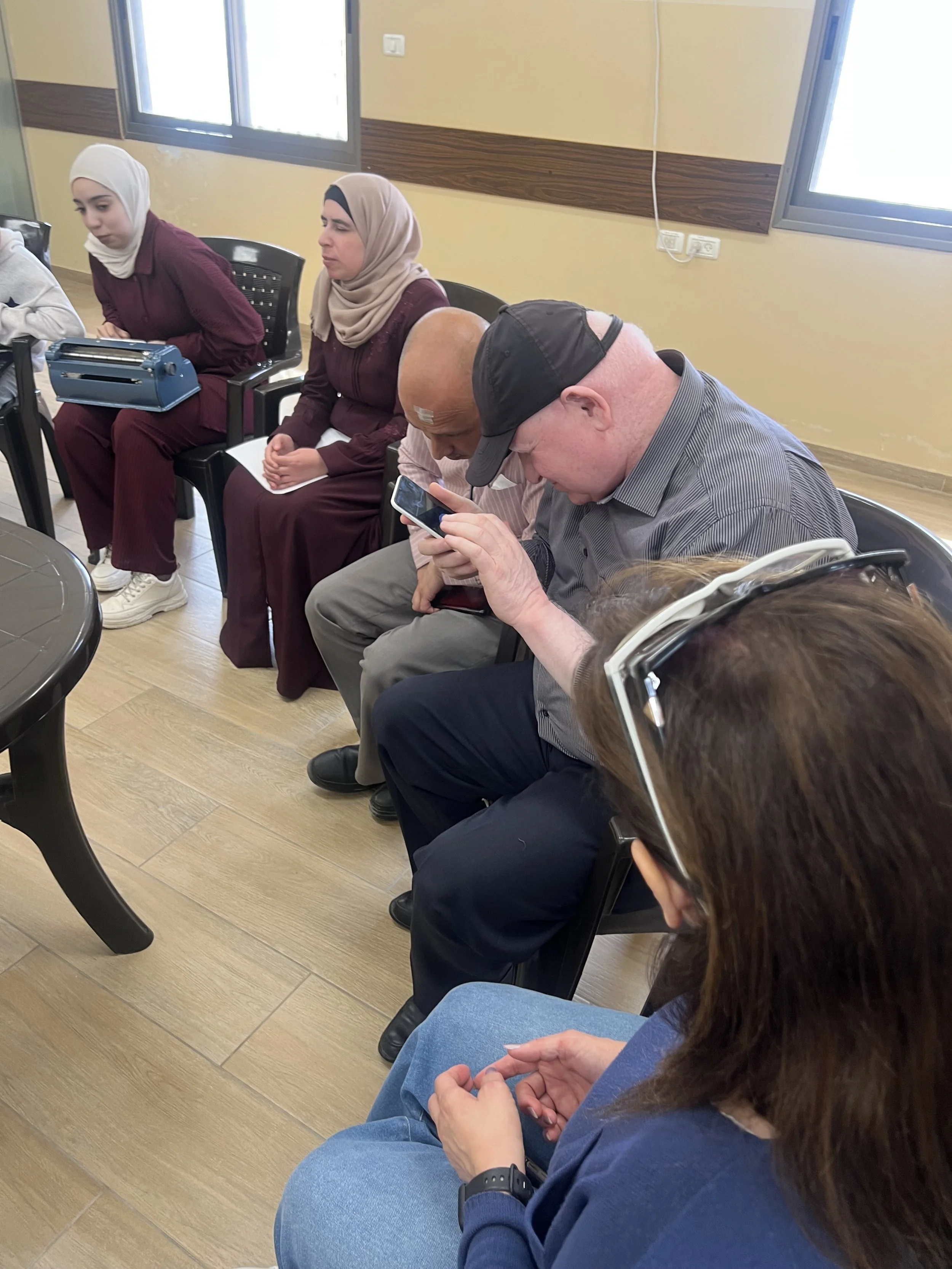
Hands-on experience: a visually impaired participants testing the Sight application during our visit
1200+
Secondary Impact
(Level 2)
600+
Third Impact
(Level 3)
Impact Metrics (Ripple Effect)
300+
Direct Beneficiaries
Your vote contributes to the final evaluation score. Help recognize the impact that Seeds of Change is creating in their community.

Support this Team

Palestinian Students Scholarship Fund -
Empowering students to create lasting positive change across Palestine.
Quick Links
© 2026 Palestinian Students Scholarship Fund. All rights reserved.
2026 Competition
Fostering a systematic culture of good deeds across Palestinian universities, empowering student leaders to create measurable community impact through initiatives that inspire exponential ripple effects of kindness and mutual support.
Contact


312-200-2723
Winner Announcement: To be Announced